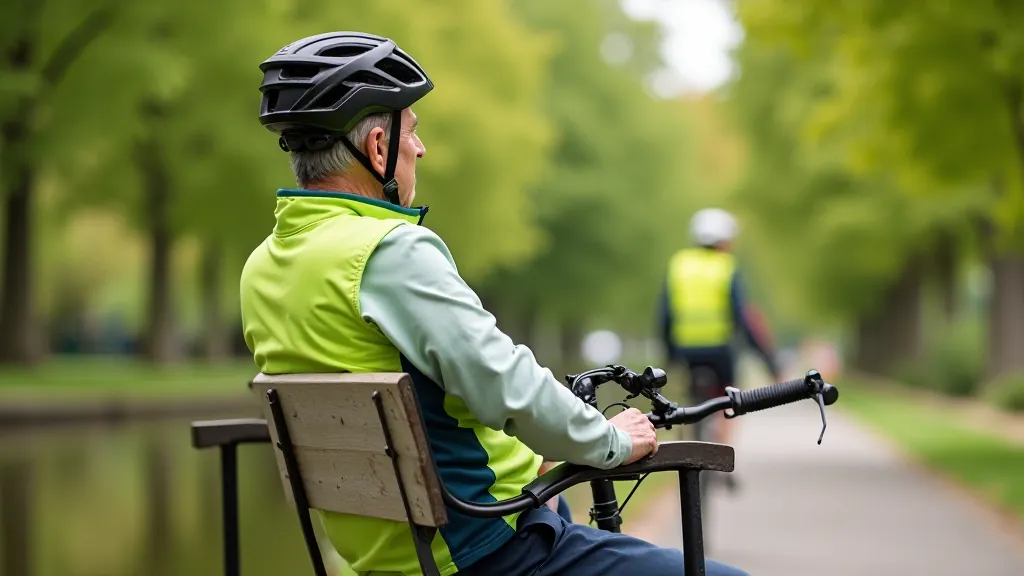

Getting Started with Canal Cycling at Any Age
Practical advice on choosing the right bike, understanding what to expect, and building your cycling confidence.
Simple maintenance tasks that'll keep your bike reliable for those long canal towpath rides. We'll walk you through tire pressure, chain care, brake checks, and when to get professional help.
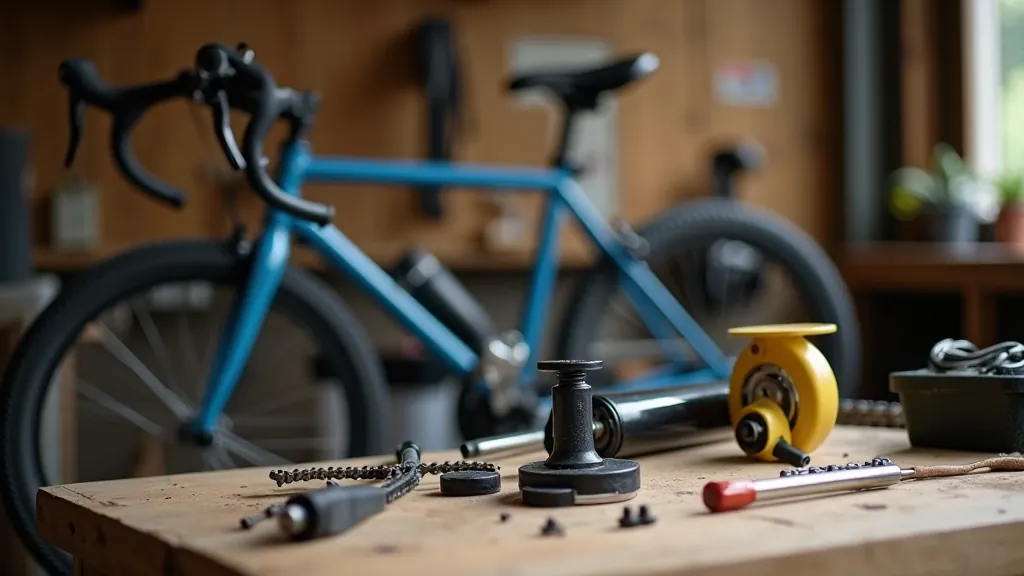

You're heading out for a day on the Royal Canal Greenway or the Grand Canal Way — the last thing you want is a mechanical issue miles from home. That's where regular maintenance comes in. It's not complicated. You don't need special tools or years of experience. A few simple checks before each ride will catch most problems before they become real headaches.
We'll cover the essential tasks that'll keep your bike safe and reliable. Think of this as preventive care — it's way easier (and cheaper) than dealing with a breakdown on the towpath. Let's get started.
Essential checks before riding
Minutes for basic maintenance
Tools you actually need
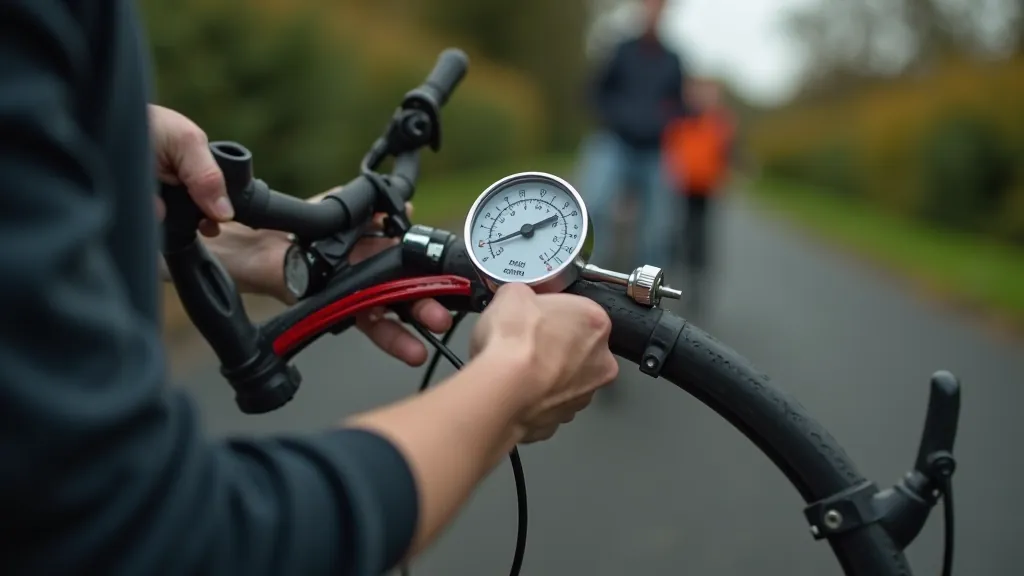
Tires are your contact point with the path. Getting them right makes a huge difference in how your bike handles. You'll want to check pressure before every ride — it's the single easiest thing to maintain.
Look at the sidewall of your tire. You'll see a range printed there — something like "80-120 PSI" or "3-4 bar". For canal paths (which are smooth and flat), you're good in the middle-to-upper range. Higher pressure means less rolling resistance, which is nice on long rides. But don't go maximum — you'll lose comfort and grip.
Pro tip: Check pressure when your tires are cool — pressure rises as tires heat from riding, giving you a false reading.
Run your hand across the tire surface. You should feel a pattern. If the tread is completely worn smooth, it's time to replace them. On dry canal paths this matters less than on roads, but it's still important for safety and handling. Most tires last 3,000 to 5,000 km — depending on conditions and how hard you ride.
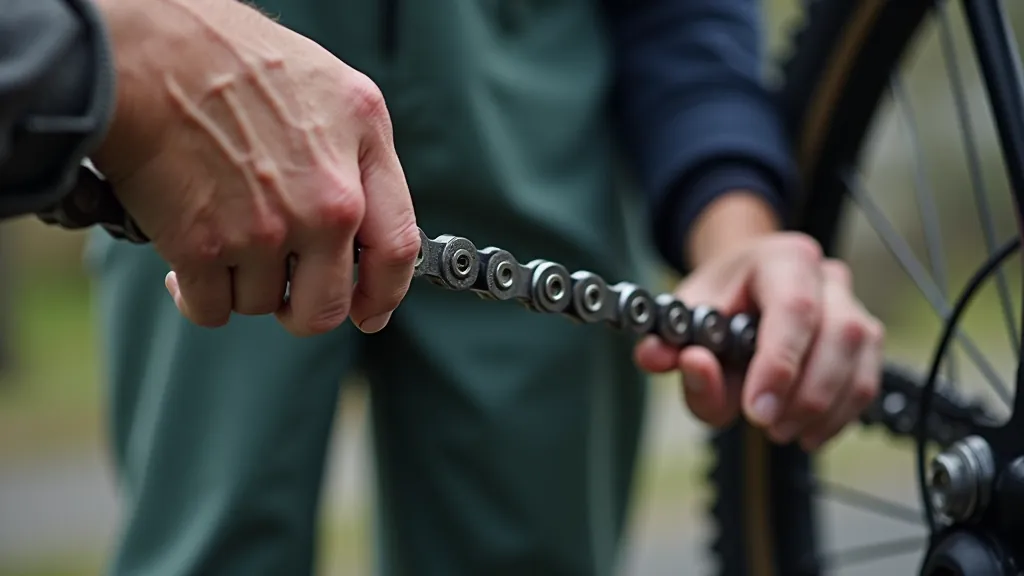
Your chain is the hardest-working part of your bike. It transfers your pedaling power to the wheels. Keep it clean and lubricated, and it'll last years. Ignore it, and you'll replace it every season.
You don't need fancy equipment. A stiff brush, old rags, and some degreaser (or even warm soapy water) work fine. Spin the pedals backward while scrubbing the chain. You're removing dirt and old lube — not trying to make it gleam. This takes maybe 5 minutes.
After cleaning, apply chain lube. Use the wet or dry variety depending on conditions — wet for damp Irish weather, dry for dusty days. Don't overdo it. A light coat is enough. Excess lube attracts dirt, defeating the purpose.
How often? Clean and lube every 200-300 km, or when the chain looks grimy. In normal conditions, that's roughly once a month for casual riders.
Brakes aren't something to put off. You rely on them constantly, especially on longer tours where fatigue sets in. Weak brakes aren't just inconvenient — they're dangerous.
Hold the bike and squeeze each brake lever. It shouldn't feel spongy or require excessive force. If it does, something's wrong — either the cable's loose, pads are worn, or the hydraulic fluid (on disc brakes) needs attention.
Look at your brake pads. There's usually a wear indicator line. If the pad is flush with that line, replace them. Worn pads reduce braking power and can damage your rims or rotors.
In a safe space, test your brakes at normal speed. The bike should slow smoothly without pulling to one side. If it doesn't, that's a sign to visit a mechanic before heading out on a longer ride.
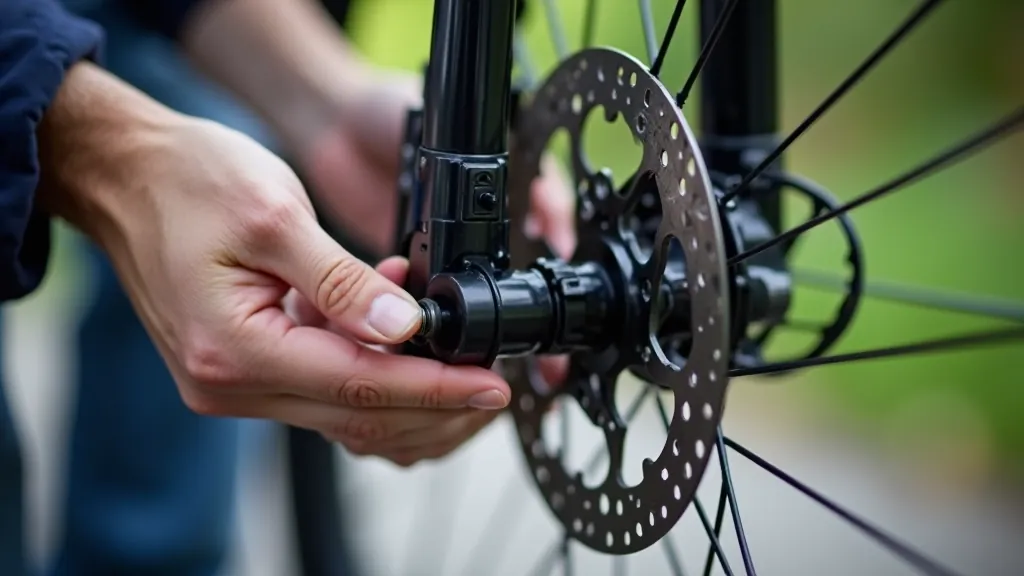
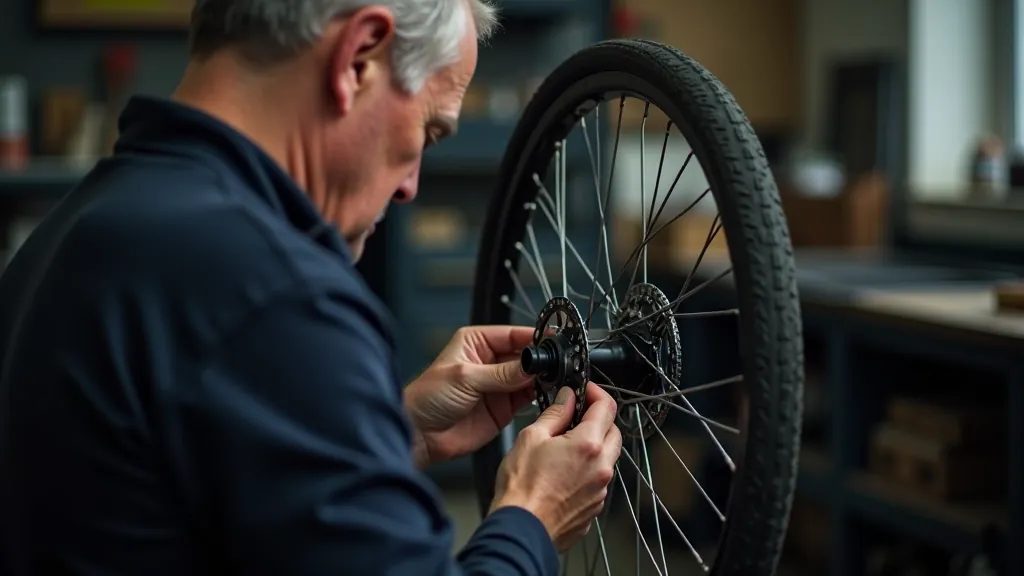
Before heading out, do a quick walk-around. Spin each wheel and watch for wobbles. Spin it and listen for brake rub. These take 30 seconds but catch issues early.
A slight wobble isn't necessarily a crisis — many riders live with minor rim variations. But significant wobbles mean the rim is bent or spokes are loose. This affects handling and can damage your brakes. If it's bad, get it trued by a mechanic.
Gently pluck a spoke like a guitar string. It should make a musical "ping" sound. If it's dull or flat, the spoke tension is low. A few loose spokes won't end your ride, but they'll eventually cause rim damage. A mechanic can re-tension them in minutes.
Grab the wheel rim and try to wiggle it side to side. There shouldn't be play. If there is, your hub bearings need adjustment — another quick mechanic job.
Some jobs are DIY-friendly. Others need a mechanic. Know the difference. Trying to fix something you're not confident about can make it worse — and more expensive.
Most towns along the canal routes have bike shops. It's worth knowing where they are before you need them. A full service every year or two will keep your bike in excellent condition for touring.
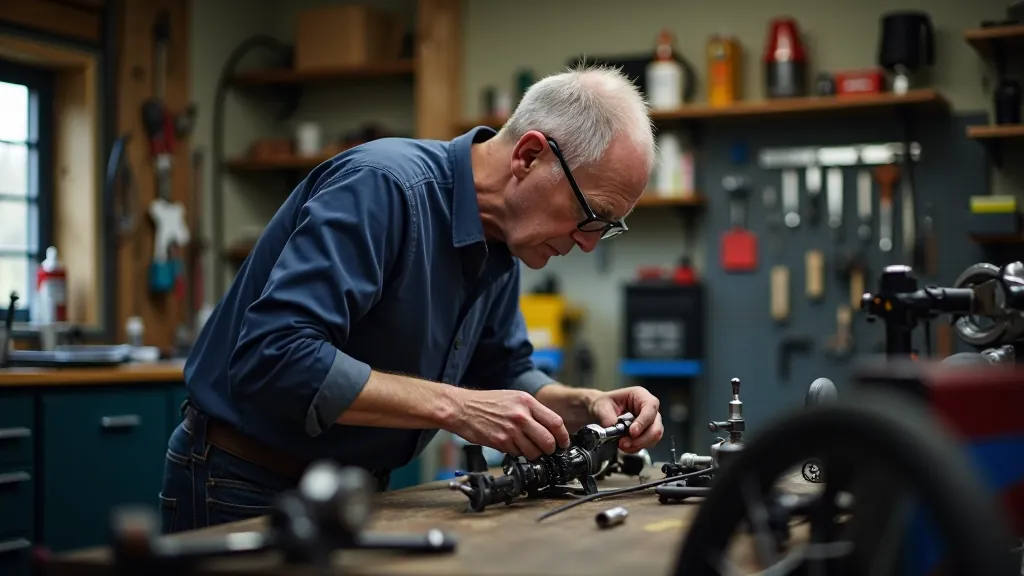
Maintenance doesn't have to be complicated. A few minutes of attention before each ride and a basic understanding of what to check will keep your bike safe and reliable. You're not trying to become a mechanic — you're just being a responsible rider who wants their bike to work properly.
Whether you're doing a long tour on the Royal Canal Greenway or a shorter loop on the Barrow Towpath, a well-maintained bike makes the experience better. You'll have more confidence, fewer surprises, and more time enjoying the scenery instead of troubleshooting mechanical issues.
Start with tire pressure — it's the easiest and most impactful check. From there, work up to chain care and brake checks. Soon enough, these tasks will be second nature. Your bike will be ready for any ride you throw at it.
This article provides educational information about bicycle maintenance. While we've done our best to present accurate guidance, bicycle maintenance techniques and safety requirements can vary based on your specific bike model, components, and local conditions. Always consult your bike's manufacturer manual for specific guidance. If you're unsure about any maintenance task, especially those involving brakes, wheels, or structural components, consult a qualified bicycle mechanic. Regular professional servicing is recommended for safe and optimal performance.