
Why Canal Cycling Works for Everyone
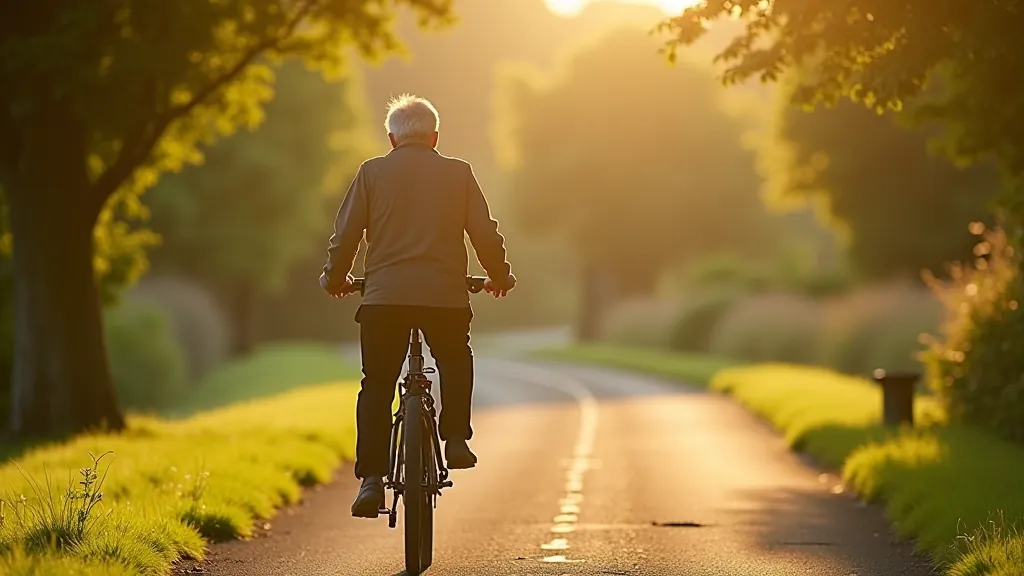
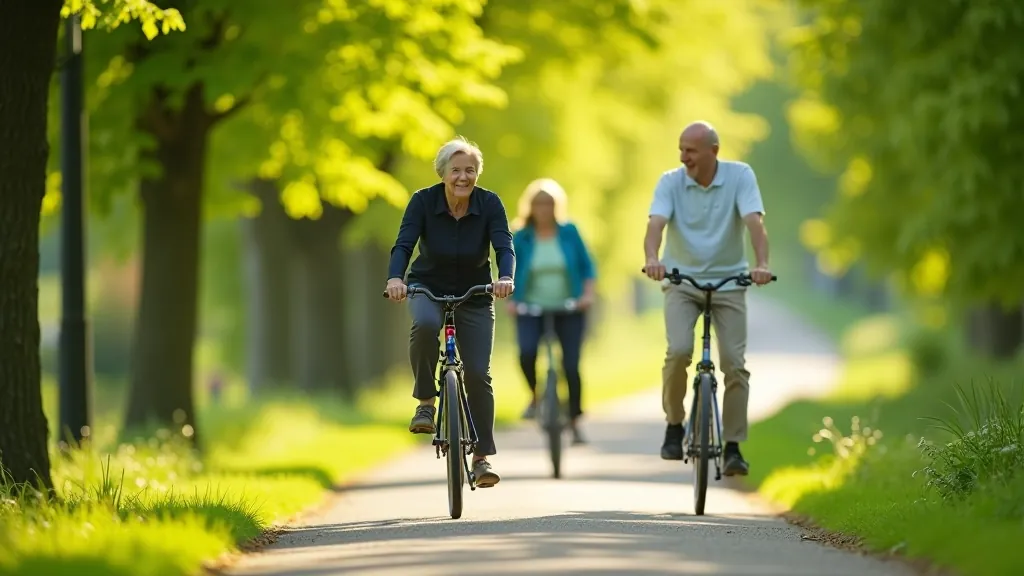
Canal towpaths offer something special. They're flat, predictable, and stunningly beautiful. You're not climbing hills or dodging traffic. It's just you, your bike, and some of Ireland's most peaceful waterways.
Whether you're 50 or 75, whether you've ridden since childhood or haven't touched a bike in decades, these routes work. The Royal Canal Greenway, Grand Canal Way, and Barrow Towpath have introduced thousands of people to cycling — people who never thought they'd get back on a bike.
What Makes Canal Routes Special
- Completely flat terrain — zero hills
- Well-maintained surfaces, mostly tarmac
- Minimal traffic — shared use paths only
- Frequent rest spots and amenities
- Beautiful scenery throughout the journey
Choosing the Right Bike
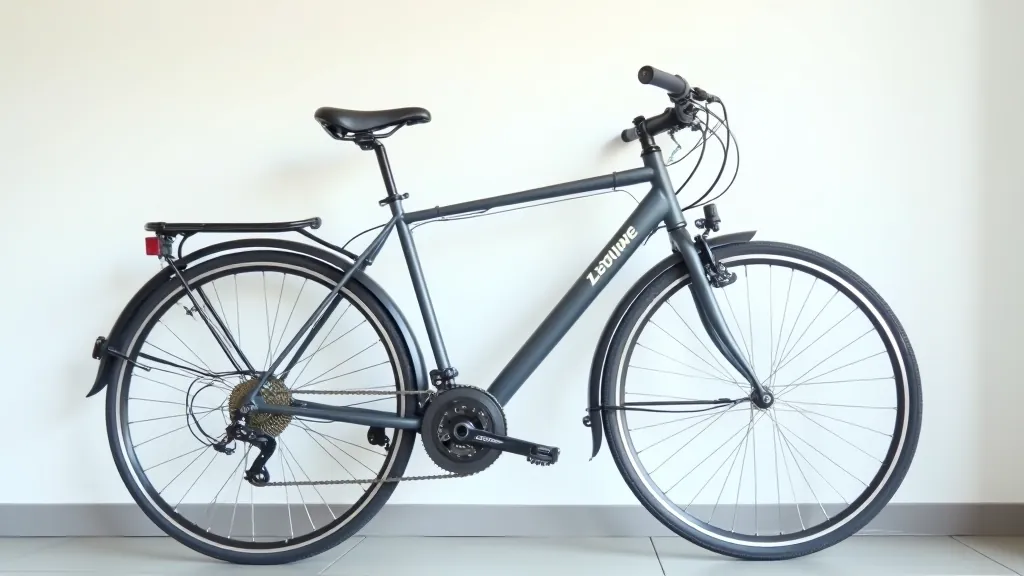
You don't need anything fancy. Honestly, the bike sitting in your shed from ten years ago might be perfect. What matters is comfort and stability — not speed.
Look for a hybrid or leisure bike with a comfortable, upright riding position. You want your hands on the handlebars at about shoulder height, not bent over in a racing position. The seat should be wide enough that you're actually comfortable after two hours of riding. Test it before you commit.
Tire width matters more than you'd think. Wider tires — anything from 28mm to 40mm — give you stability and handle gravel sections without fuss. Make sure your brakes work smoothly. V-brakes or disc brakes both work fine. You'll be squeezing them plenty on longer routes, so they need to feel responsive without requiring serious hand strength.
Starting Out: The First Few Rides
Don't try to do 20 kilometers on day one. That's the biggest mistake people make. Start with 5 or 6 kilometers. Feel what your body tells you. You'll notice your legs and backside probably need adjustment — that's normal and passes after three or four rides.
Pick a route you can do in an hour or less. The Royal Canal Greenway has excellent short loops around Dublin. The Grand Canal Way has manageable sections between towns. Knowing you can turn around anytime takes the pressure off.
Bring water. Always. Two liters minimum for anything over 10 kilometers. Your body doesn't always signal thirst properly when you're cycling, but dehydration creeps up fast. Pack a small snack too — a banana, some biscuits, whatever. You'll be surprised how much energy it gives you around kilometer 8.
Building Confidence Week by Week
Week 1-2: Local Routes
Stick to familiar territory. Ride the same route twice. Your confidence grows when you know what's coming.
Week 3-4: Distance Increases
Add 2-3 kilometers each week. You'll notice your legs hurt less. Gear changes become smoother.
Week 5+: Explore New Routes
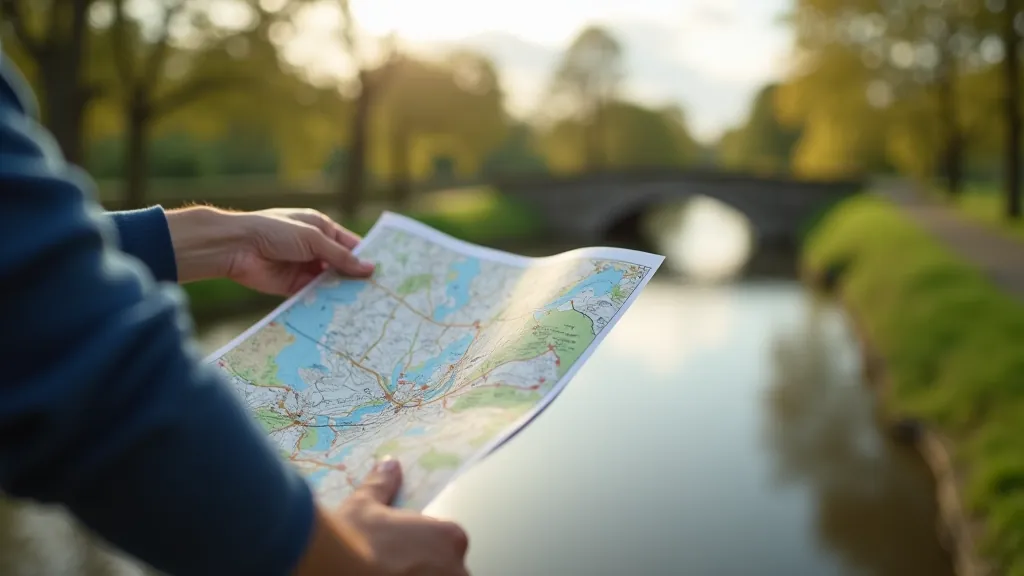
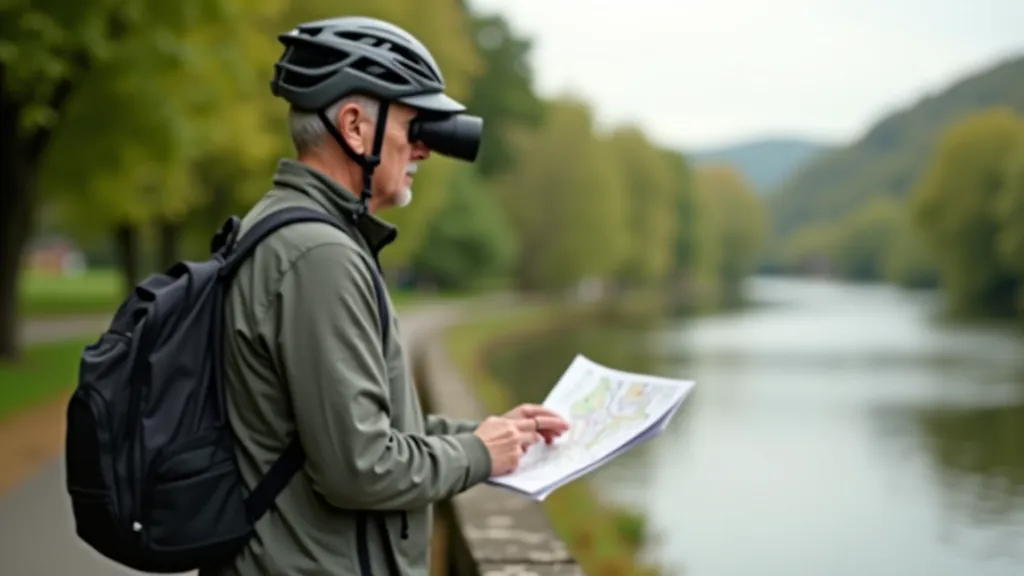
Try the Barrow Towpath or venture beyond your usual spots. You're ready now.
Practical Tips That Actually Help
Bike Fit Matters
Your seat height should let you almost straighten your leg at the bottom of the pedal stroke. Too high and your hips rock. Too low and your knees hurt. Spend an afternoon getting it right.
Check Weather First
Wind matters more than rain. Headwinds kill your motivation. Check the forecast and plan your route accordingly — ride into the wind first, enjoy the tailwind home.
Go with Someone
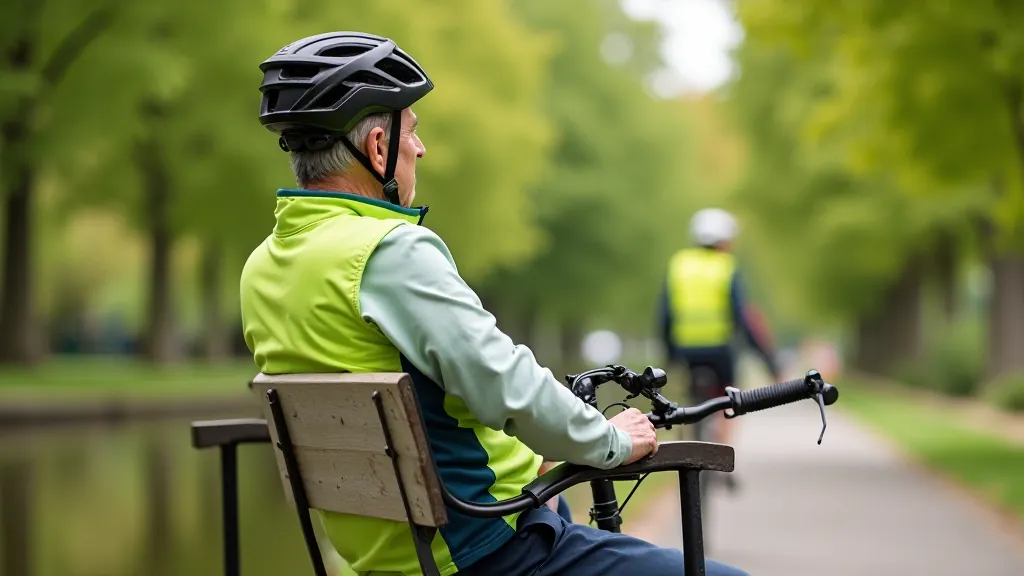
Find a friend or join a local cycling group. You'll ride further, feel safer, and actually enjoy the banter. Most canal towns have cycling clubs that welcome beginners.
Dress in Layers
Ireland's weather changes fast. Start with a thin base layer, add a windbreaker, and bring a backpack with an extra layer. You'll strip it off after the first kilometer anyway.
Dealing with the Tough Bits
Your legs will feel heavy sometimes. That's not a sign you should quit — it's normal. Usually it means you're dehydrated or you skipped breakfast. Eat something. Drink water. Rest for 10 minutes. You'll feel completely different.
Saddle soreness is real. It goes away. Seriously. By week three or four your backside adjusts. If it's genuinely unbearable, invest in padded cycling shorts — they're not expensive and they work.
Don't compare yourself to faster cyclists. You'll see people zoom past on racing bikes. Let them go. You're out here to enjoy the route, the scenery, and the feeling of moving under your own power. That's the whole point.
You're Ready to Ride
Canal cycling isn't intimidating once you start. It's just you, your bike, and a flat path stretching ahead. Your body will adapt faster than you think. Your confidence will grow with every kilometer. And you'll discover places in Ireland you didn't know existed — quiet, beautiful places that aren't in any guidebook.
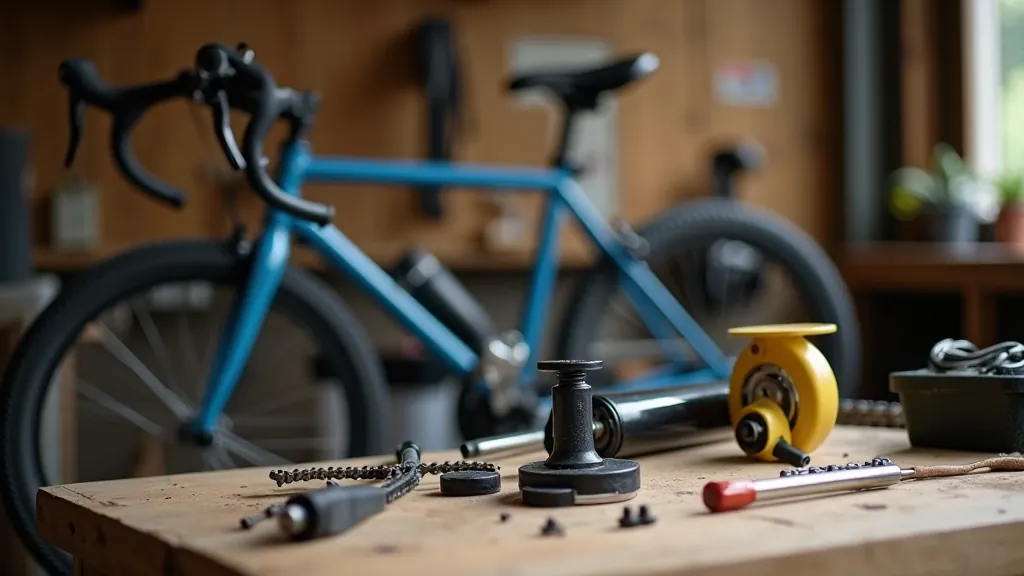
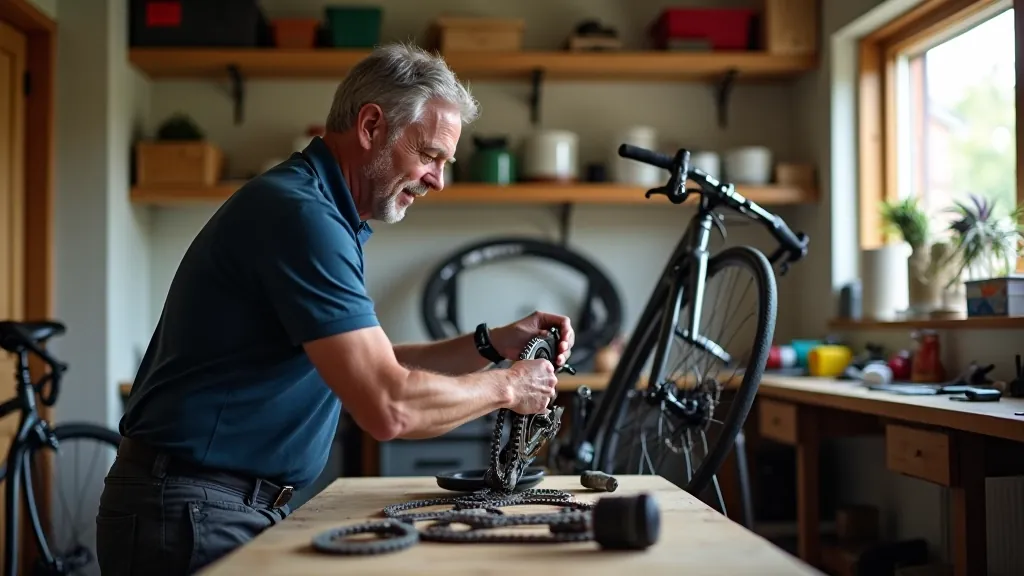
Get your bike checked. Pick a route. Start with something short. That's it. Everything else follows from there.
Important Notice
This article is educational and informational in nature. The advice provided is general guidance based on typical cycling practices. Before beginning any new physical activity, particularly if you have existing health conditions, please consult with your healthcare provider or a qualified medical professional. Cycling safety depends on individual fitness levels, bike maintenance, and road conditions. Always wear appropriate safety gear, follow local traffic laws, and ride within your capabilities. We recommend having your bike professionally serviced before undertaking longer routes.
Continue Learning