Getting Started with Canal Cycling at Any Age
Practical advice on choosing the right bike, understanding what to expect, and building confidence from your first ride.
Everything you need to know about protective gear, weather considerations, hydration strategies, and essential packing for enjoyable day trips on Ireland's canal towpaths.

Here's the thing — most accidents on canal paths aren't dramatic. They're simple: someone hits a pothole, loses balance on gravel, or misjudges a tight corner. You're going maybe 15-20 km/h, but that's enough to cause real injury if you're not prepared.
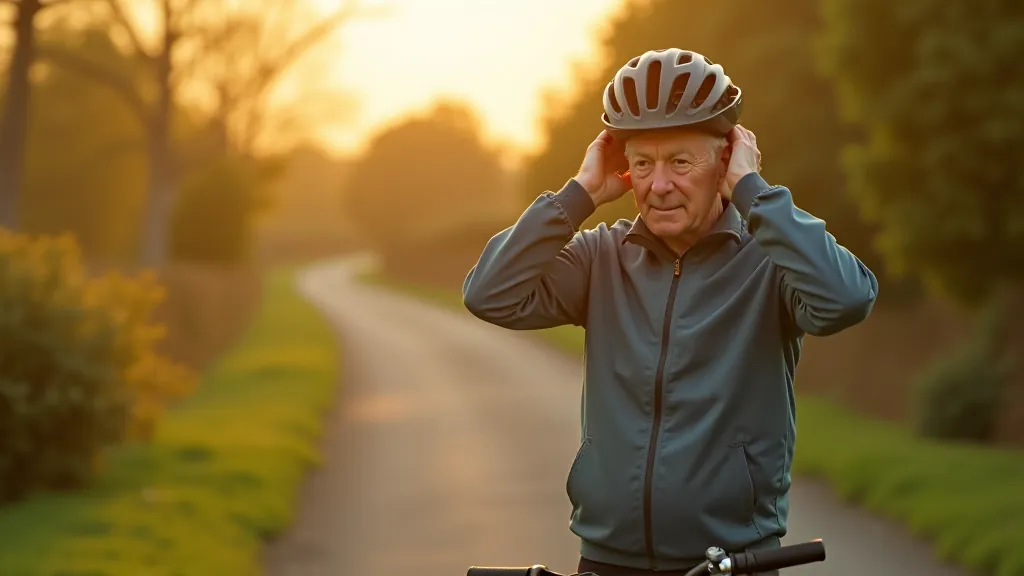
A proper helmet isn't just for fast cycling. It's for the unexpected moment when things go wrong. We've seen too many riders brush off protection because they're "just on the towpath." But the towpath is where most seniors cycle — which means that's where most accidents happen. Your skull doesn't know the difference between a canal-path fall and a road crash.
The good news? You don't need expensive racing gear. You need practical protection that's comfortable enough to wear every single time you ride.
What you actually need versus what the marketing tells you to buy
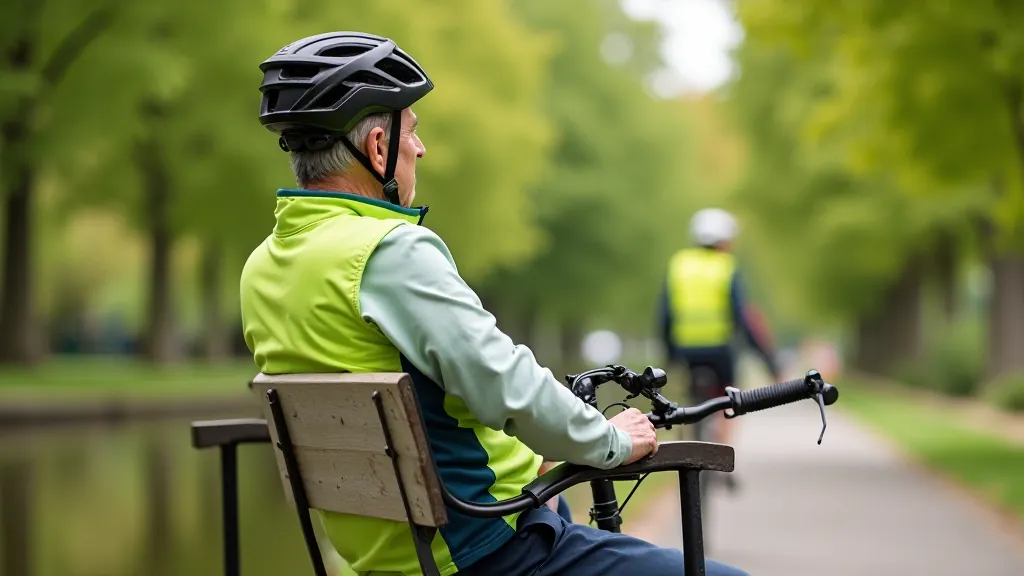
Non-negotiable. Fit it properly — two fingers above your eyebrows. Look for ventilation (important in Irish summers) and a secure strap that doesn't slip when adjusted.
Protects your eyes from wind, sun glare off water, and debris. Polarized lenses reduce water glare — crucial on canal paths where reflection is constant.
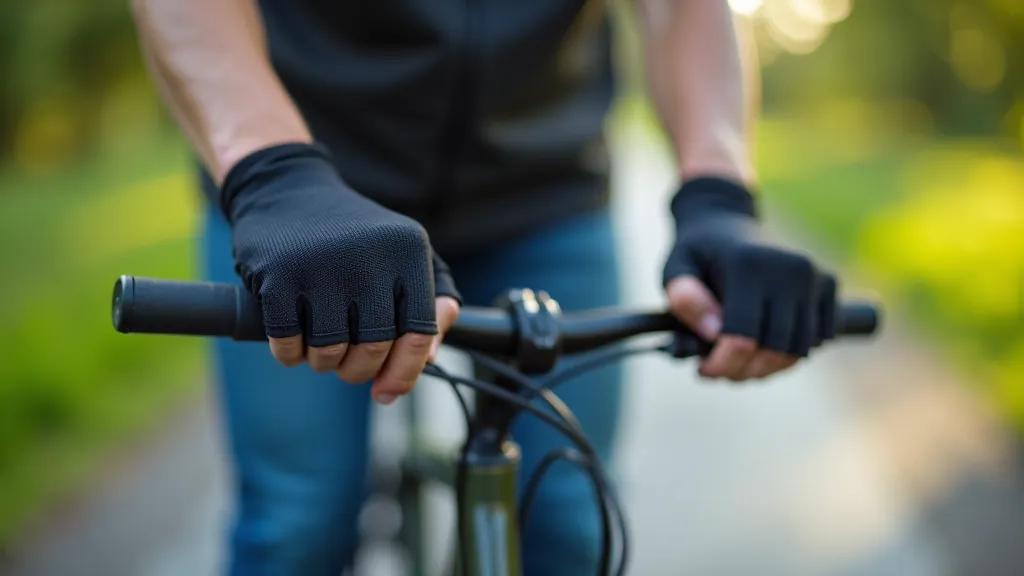
Even in summer. Protect your hands if you fall, and they provide better grip in wet conditions. Padded gloves reduce hand fatigue on longer rides.
Makes you visible to walkers and other cyclists from 100+ meters away. Lightweight vests pack into a small space. Essential during early morning or dusk rides.
Required by law in Ireland after sunset. USB-rechargeable lights are reliable and affordable. Even during daytime, a blinking rear light increases visibility significantly.
Padded shorts prevent saddle soreness on rides over 30 minutes. You'll notice the difference immediately, and you'll actually want to ride longer.
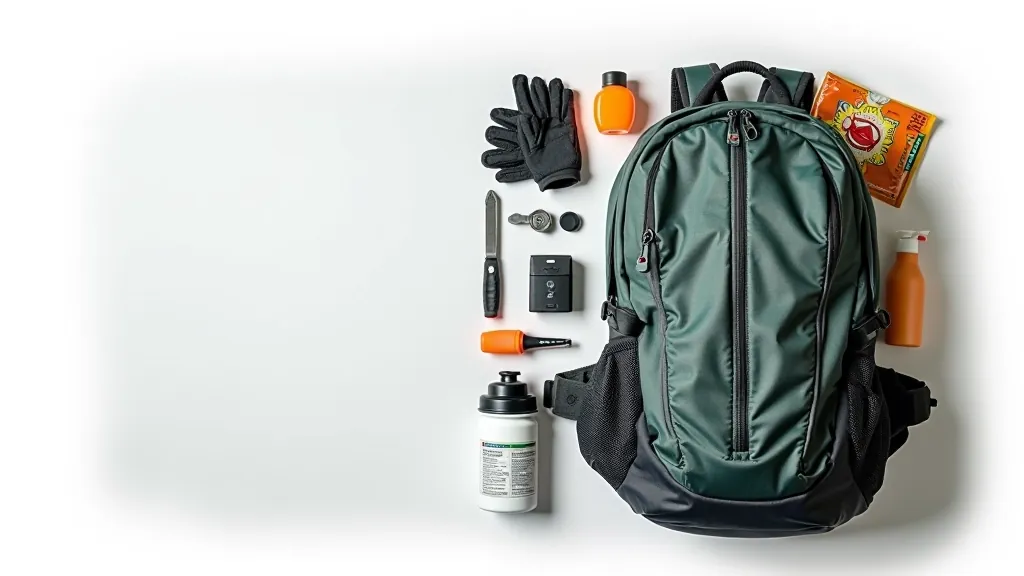
You're not climbing mountains. You don't need a 40-liter rucksack. A compact backpack or rear pannier bag works perfectly for canal cycling. The key is carrying what you'll actually use without excess weight.
Water is non-negotiable. Most canal paths don't have shops for 8-10 km stretches. Carry at least 1.5 liters — two bottles if you're riding in warm weather. Dehydration sneaks up quickly, especially when you're concentrating on the path ahead. Drink small amounts regularly, not huge gulps at the end.
Energy food matters. Bring more than you think you'll need. A mix works best: energy bars for quick fuel, fruit for natural sugars, nuts for sustained energy. Many riders underestimate how much energy a 40 km round trip requires. You'll feel it around kilometer 20 if you haven't eaten properly.
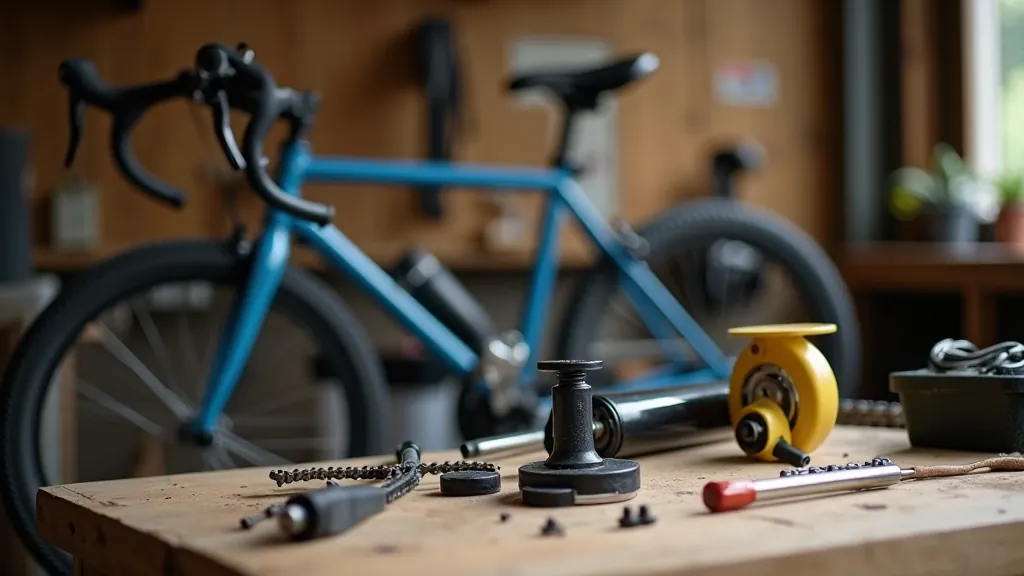
A basic repair kit saves the day. Pump, spare tube, tire levers, and a small multi-tool. You won't use it often, but when you need it, you'll be grateful. A puncture 5 km from the nearest town is manageable with a spare tube. It's impossible without one.
How to dress for conditions that change three times before lunch
Start with a moisture-wicking base layer (not cotton). Add a lightweight fleece or windproof jacket. You'll peel layers as you warm up. This system works year-round. In summer, you're down to a base layer. In winter, you've got three protective layers.
Ireland's weather isn't about torrential rain — it's about unexpected showers. A lightweight, packable waterproof jacket that fits in a backpack pocket is perfect. It protects you and folds to nothing when the sun comes out.
Even on cloudy days, UV reflection off the water is intense. SPF 50+ sunscreen, applied 15 minutes before you ride, makes a real difference. Reapply every 90 minutes. Your face gets the most exposure — protect it properly.
The difference between enjoying a 30 km ride and dreading it? Often it's tiny details. A neck tube keeps sun off your neck and wind out of your collar. A chamois cream prevents saddle soreness. A small towel dries sweat from your face without stopping.
Sunscreen on your ears and the back of your neck gets missed constantly. Those areas burn fast and hurt for days. Same with your hands — they're exposed the whole ride and people forget them completely.
Consider a small backrest cushion if you're dealing with lower back sensitivity. Towpath cycling is upright and steady, but 20+ km can strain your lower back if you're not supported properly. A proper bike seat matters too — don't assume the one on your bike is right for you. Test different saddles before committing to long rides.
Gravel, wet leaves, and mud appear without warning. Slow down when you see debris. The path is shared — walkers, runners, and dogs are around every bend. Ring your bell before passing, and don't assume people hear you.
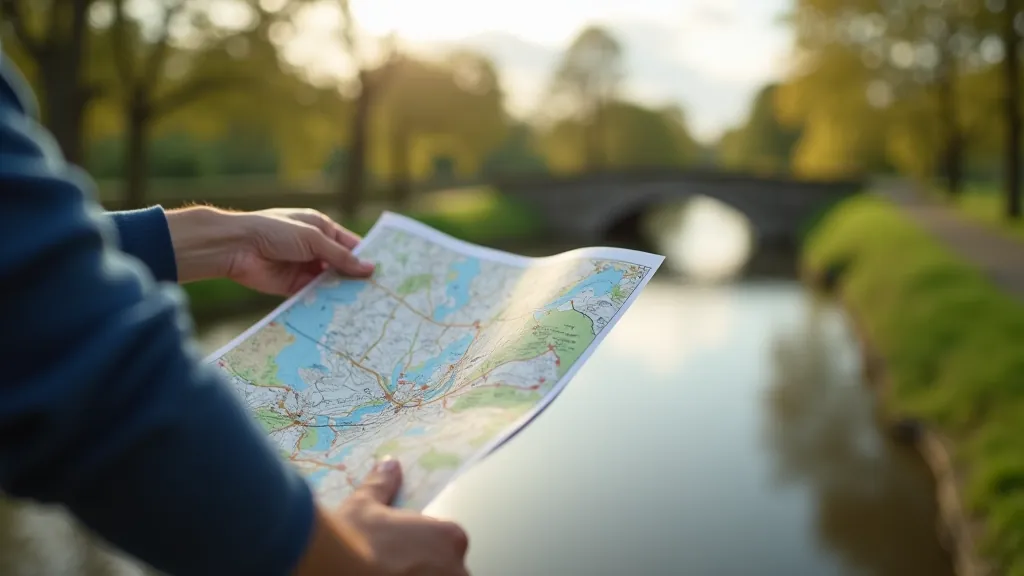
Carry a charged phone. Download offline maps before you go — cellular coverage on towpaths can be spotty. Tell someone where you're riding and when you'll be back. A simple text to a friend adds a layer of security.
Check tire pressure, brake responsiveness, and chain tension before every ride. A mechanical failure mid-ride creates dangerous situations. Five minutes of pre-ride checking prevents emergencies. Brakes should stop you smoothly within 5 meters at moderate speed.
Safety and comfort aren't about expensive gear or complicated systems. They're about consistency. Wear your helmet every ride. Pack water every time. Check your brakes before you go. These habits become automatic after a few weeks.
The goal isn't one perfect ride — it's being able to ride regularly, month after month, year after year. That happens when you're comfortable and confident. You're not fighting pain, struggling with forgotten supplies, or worried about mechanical failure.
Canal cycling in Ireland is genuinely one of the best ways to spend time outdoors. The routes are stunning. The pace is manageable. The communities are welcoming. Do it right, and you'll find yourself out on the towpath every week, regardless of season. That's when cycling becomes part of your life, not just a hobby.
Disclaimer: This article provides educational information about cycling safety and packing for canal towpath rides. Recommendations are based on general cycling practices and conditions typical of Irish waterway paths. Individual circumstances vary — physical ability, health conditions, weather patterns, and local terrain differ. Always consult with a healthcare provider before starting a new cycling routine, especially if you have existing health concerns. Follow local cycling regulations and path-specific guidelines. Weather conditions change rapidly; check forecasts before departing. Proper bike maintenance and personal responsibility for equipment safety are essential. This information is not a substitute for professional cycling instruction or medical advice.